

Call 24/7, we answer day or night. (516) 823-2123
Mold Removal Pricing in Inwood, NY: What Affects Your Quote
Mold removal pricing in Inwood depends on eight things: the size of the affected area, the materials involved, where the mold is, what kind of water caused it, the containment needed, independent assessment and clearance testing, drying time, and fixing the moisture source. That’s why we don’t post a price list. We explain your quote on the phone, then put the scope in writing before any work starts.
Two jobs that look the same from the doorway can be very different once a wall is opened. A price list would be a guess. A conversation isn’t.
- Call 24/7
- Written scope before work
- No pressure to sign
- Same-day appointments
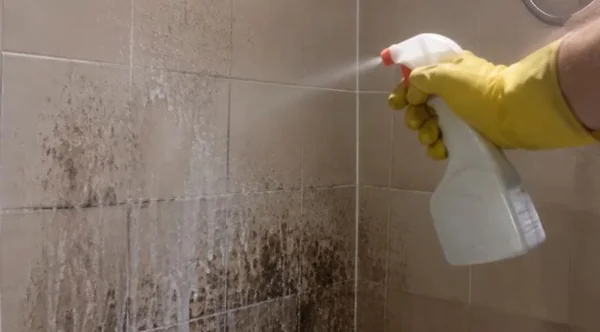
The 8 Factors That Decide Mold Remediation Cost
Every quote we explain comes back to these. If someone gives you a number without asking about them, it’s a guess.
1. Size of the affected area
Mold work is generally grouped as small (under 10 square feet), medium (under 100) and large (over 100). Bigger areas need more containment, more labor and more oversight.
2. Materials involved
Tile and glass clean up. Drywall, insulation, ceiling tiles and carpet pad usually have to be removed and replaced, which adds labor and disposal.
3. Where the mold is
An open, unfinished basement is simpler than a crawl space, an attic, the inside of a finished wall or a ceiling above a shower.
4. What kind of water caused it
A clean supply-line leak is different from outside floodwater or a sewer backup, which is treated as grossly contaminated (Category 3) and means more material comes out.
5. Containment
Plastic sheeting, negative air pressure and HEPA air scrubbers scale with the size of the area and the number of rooms that need protecting.
6. Assessment and clearance
For mold over 10 square feet, New York requires an independent licensed assessor for the plan and the clearance check. That’s a separate company, so it’s billed separately.
7. Drying time
Framing and subfloors have to measure dry before anything is closed up. Flooded basements and Sandy-era framing can take longer to dry.
8. Fixing the moisture source
A plumber, roofer, gutter or waterproofing fix may be needed. It’s the part that keeps you from paying for the same mold twice.
How Job Size Changes the Price, and Who Can Do the Work
| Size of mold area | What it usually means | Who can do it in New York |
|---|---|---|
| Small, under 10 sq ft | A spot on a ceiling, a patch on a wall, mold on a window frame | Often a homeowner job if it’s on a hard surface and the moisture is fixed |
| Medium, under 100 sq ft | A section of basement wall, a bathroom ceiling, part of a crawl space | Licensed assessor plus a separately licensed remediation contractor when you hire it out |
| Large, over 100 sq ft | A flooded finished basement, an attic, multiple rooms | Licensed assessor and licensed remediator, with more containment and oversight |
The 10-square-foot line comes from New York Labor Law Article 32: if you hire someone for mold larger than that, the assessor and the remediator must both be licensed and must be separate companies. That two-company setup is why you’ll see an assessment cost and a remediation cost.
Why is the assessment billed separately?
Because the law requires the assessor to be independent from the company doing the removal. The assessor writes the plan and confirms the job is done, so their opinion isn’t tied to selling the work. Learn more about mold assessment and testing.
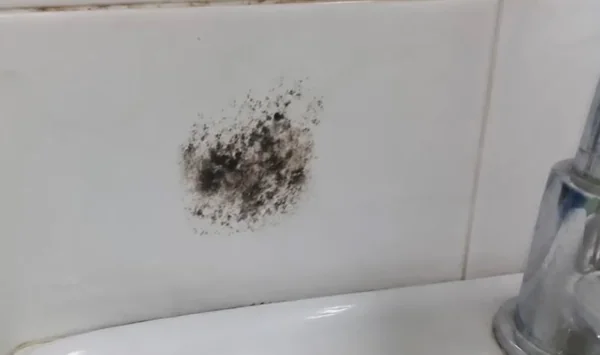
What a Proper Mold Remediation Quote Should Include
Whether it’s from us or anyone else, a written quote should spell out:
- The rooms and areas being worked on, and roughly how much material comes out
- The moisture source, and who is fixing it
- The type of containment and air filtration
- What gets removed and what gets cleaned
- How drying will be measured before rebuild
- Who the independent assessor is and how clearance will be confirmed
- What’s not included, such as rebuilding, painting or plumbing repairs
Rebuild work like new drywall and paint is often a separate line or a separate contractor. In Nassau County, home improvement work falls under the county’s Department of Consumer Affairs licensing.
Quote red flags
- A price given before anyone asks where the water came from
- The same company assessing and removing mold over 10 sq ft
- “We’ll spray it and paint over it”
- No mention of plastic containment or HEPA air filtration
- No clearance testing in the plan
- Pressure to sign the same day
- A low number that grows once the crew is inside
Comparing quotes? Use our checklist on how to choose a mold remediation company.
Why Mold Remediation Can Cost More in Inwood
Flood and tide water
Water from outside flooding is treated as contaminated, so more drywall, insulation and carpet comes out. Streets near Bayswater Boulevard, Davis Avenue, Chestnut, Maple and Walnut roads and Peppe Drive have flooded at full-moon high tides.
Older construction
Many Inwood homes date to the 1910s and 1920s. Stone and block foundations, older framing and Sandy-era water damage can widen the scope once walls are opened.
Finished lower levels
Hi-ranches and raised ranches often have finished rooms close to grade. Removing and replacing finished drywall and flooring costs more than cleaning an unfinished space.
Does Insurance Cover the Cost of Mold Removal?
It depends on what caused the mold, not what it looks like.
Homeowners insurance
Mold is generally covered when it results from a sudden, accidental event, like a burst pipe or failed washing machine hose, reported promptly. Mold from long-term leaks, humidity, neglect or outside flooding is generally excluded, and many policies cap mold coverage. Read does homeowners insurance cover mold in NY.
Flood insurance
Outside flooding, including tide and storm surge, needs a separate flood policy. FEMA says NFIP won’t cover mold if the policyholder didn’t take reasonable steps to prevent it, unless officials banned entry or floodwater kept you from reaching the home. More on flood insurance and mold coverage.
What to keep for your adjuster
- Photos and video before anything is moved
- Dates of the water event
- Drying and moisture records
- The remediation plan and clearance results
Honest Ways to Keep the Cost Down
- Act within 24 to 48 hours of water coming in. Fast drying can prevent mold entirely.
- Stop the water before anything else. Mold cleaned over an active leak comes back.
- Don’t disturb it. Scrubbing or sanding spreads spores and can widen the job.
- Clean small hard-surface spots yourself once the moisture is fixed.
- Don’t paint over it. It hides the problem until it’s bigger.
- Run a dehumidifier in basements that sit above 60% humidity.
If money is tight, read what to do if you can’t afford mold remediation.
How We Put Your Quote Together
You call and describe it
Where it is, how big it looks, when water came in and who lives in the home. If it sounds like a small DIY job, we’ll tell you.
We look and find the moisture source
A same-day visit when available, with moisture readings in walls, floors and framing so the scope isn’t a guess.
You get the scope in writing
What’s being done, what’s not included, and how the independent assessment and clearance fit in. Then you decide, with no pressure. See the full mold remediation process.
Mold Removal Pricing FAQ
How much does mold removal cost in Inwood, NY?
It depends on the size of the area, the materials affected, where the mold is, what kind of water caused it, containment, independent assessment and clearance, drying time and the moisture fix. Call (516) 823-2123 and we’ll explain what your situation likely involves.
Why don’t you list prices on your website?
Because the same-looking problem can be very different once a wall is opened or the moisture source is found. We’d rather explain your real scope than post a number that changes later.
Is mold testing included in the price?
For mold over 10 square feet, New York requires an independent licensed assessor, which is a separate company from the remediator, so assessment and clearance are billed separately.
Why is mold remediation so expensive?
Containment, protective equipment, removal and disposal of contaminated materials, drying, independent testing and fixing the moisture source all take time and specialized equipment. Skipping any of them is usually why mold comes back.
Can I save money by cleaning mold myself?
For small spots under about 10 square feet on hard surfaces, once the moisture is fixed, often yes. Larger areas, porous materials and anything from floodwater are better left to professionals.
Does insurance pay for mold removal?
Homeowners policies generally cover mold only from sudden, accidental events reported promptly, often with a cap. Outside flooding needs a flood policy, and NFIP expects reasonable steps to prevent mold.
Will the price change after work starts?
A written scope should spell out what’s included and what isn’t. If hidden damage is found once walls are opened, a proper contractor explains the change before doing extra work.
Is rebuilding included?
Usually not. New drywall, paint and flooring are often a separate line or a separate contractor, and moisture repairs may involve a plumber or roofer.
Get a Straight Answer About Your Mold Removal Cost
Tell us what you’re seeing and where. We’ll explain what drives the cost in your situation, and if it’s a small spot you can handle yourself, we’ll tell you that too.
Every day materials stay wet, mold can spread deeper into drywall, insulation and framing.
Call 24/7, day or night
(516) 823-2123447 Doughty Blvd, Inwood, NY 11096 · Contact@moldremovalininwood.com